

If you’ve tried therapy before and gained insight but still find yourself repeating the same patterns, you may be missing an important part of the process.
You may understand where certain reactions come from. You may recognize patterns in your relationships, know what tends to trigger you, and have a much clearer understanding of yourself than you did before therapy.
That understanding matters.
But there is another question: What are you able to do differently because of what you understand?
At BEing There Counseling, we see self-awareness as an important part of personal growth, but not the end of the process. The situations that happen in your everyday life give you opportunities to learn and practice emotional skills, understand more clearly what is happening within you, and make deliberate choices about how you want to respond.
That distinction between understanding yourself and learning how to use what you understand is the focus of these three short videos from Dr. Daniel BE.
You can know yourself remarkably well and still have a familiar reaction take over at exactly the wrong moment.
Why is there sometimes such a gap between what we understand intellectually and what we are actually able to do when we feel angry, insecure, afraid, defensive, or hurt?
Dr. BE explores why recognizing a pattern is valuable, but does not necessarily give you the skills to respond differently when that pattern becomes active.
What Can Be Different If You’ve Tried Therapy Before?
Awareness can tell you a great deal about what has happened before. Growth becomes more interesting when you begin asking what happens next time.
When an old fear, belief, or reaction appears again, can you recognize what is happening while you are in the experience? Can you deal with what you feel rather than simply following the reaction that usually comes next?
In this video, Dr. BE looks at the point where self-awareness begins to become something you can actually use.
Emotions can be powerful enough that we sometimes treat them as evidence about what is true or directions about what we should do.
But an emotion and a decision are not the same thing.
Understanding what you feel can give you valuable information about your fears, expectations, assumptions, values, and interpretation of an experience. What you do with that information remains a choice.
Dr. BE explains why learning to make that distinction is an important emotional skill.
Interested in how this approach might apply to you?
Learn more about counseling with Dr. Daniel BE and Mary Beth Luedtke.
This is where BEing There’s approach to counseling differs from therapy that remains primarily focused on gaining insight.
We think of counseling as a skill-building process. The situations already occurring in your relationships, work, parenting, and personal life become opportunities to practice working with your emotional experience differently.
You learn to notice what you are feeling with greater precision. You become more curious about what those emotions reveal about your beliefs, assumptions, fears, expectations, and values. You become better able to communicate your experience to other people. And you have more information available when deciding what you actually want to do.
The goal is not simply to become better at explaining yourself.
It is to become more capable of making deliberate choices in the moments when familiar patterns would otherwise determine what happens next.
That is how greater self-awareness can begin to create different experiences in your life.
Tried Therapy Before?
Having tried therapy before does not mean you need to start over.
What you already understand about yourself can be useful. So can knowing what helped, what did not, and where you continue to find yourself creating experiences you would like to change.
BEing There Counseling in Grand Junction offers a different emphasis: not only developing insight, but learning and practicing the emotional skills that allow you to use what you understand in everyday life.
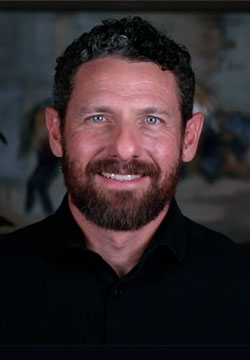
Dr. Daniel BE works especially well with people who are thoughtful, capable, and often a little skeptical about therapy. His approach is practical and direct, with a strong focus on helping clients move beyond simply understanding themselves and develop the emotional skills they can actually use in their relationships and everyday lives.
A free consultation gives you a chance to ask Dr. BE about BEing There’s approach and get a better sense of whether working together feels like a good fit.