
When Is the Right Time to Start Couples Therapy?
Watch this one minute video
with Mary Beth Luedtke.
This video talks about why many couples wait until things feel “bad enough” before seeking help — and why that timing often makes the work harder. By the time most people enter therapy, reactivity is high, conversations feel urgent, and choices feel limited.
Mary Beth explains how relationship counseling can be more effective when it focuses on building emotional skills before patterns harden into crisis. Instead of waiting to repair something broken, couples can strengthen their ability to navigate conflict, make thoughtful decisions, and create the kind of connection they actually want.
If you’ve been wondering whether your relationship challenges are serious enough to justify therapy, this video offers a different way to think about that question.
Most Couples Don’t Start Here.
Many couples wait until their relationship feels “bad enough” to seek help.
Arguments escalate. Distance grows. Conversations feel tense or urgent. Someone finally says, “We can’t keep doing this.”
By the time most people consider couples therapy, they’re already in crisis.
Reactivity is high.
Emotions are intense.
Choices feel narrow.
That isn’t a failure. It’s simply how most people enter the process.
But it isn’t the only way.
Why Most Couples Start Therapy in Crisis
When tension builds gradually, people adapt.
They tell themselves it’s just a rough patch.
They assume things will settle down.
They focus on managing daily responsibilities instead of addressing patterns.
Then something tips the balance.
A conflict that doesn’t resolve.
A betrayal.
A growing sense of emotional distance.
By the time therapy begins, conversations often feel urgent and polarized. Each person is defending their position. Tensions are high. Repair feels difficult.
Crisis therapy can absolutely help. But it is harder work when both people are already exhausted and reactive.
A Different Approach: Don’t Wait for “Bad Enough”
The Difference Between Symptom Relief and Capability
Many approaches to relationship counseling focus on symptom relief:
- Reduce fighting
- Improve communication
- Resolve the immediate issue
Those goals matter. But symptom relief alone doesn’t prevent old patterns from reemerging. At BEing There, we focus on emotional skill development. We teach skills you can use in real time:
- In difficult conversations
- In moments of conflict
- In decisions that shape trust and intimacy
The goal is not simply to calm the current storm. It’s to increase your capacity so future storms don’t destabilize you in the same way.
Why Earlier Is Often More Effective
- Reactivity is lower
- Curiosity is higher
- Defensive patterns are easier to see
- Accountability feels less threatening
This Work Is Not for Everyone
Some people want quick reassurance that everything will be fine.
Some want someone to tell them who is right.
That isn’t the work we do.
This work is for people who want lasting capability — the ability to understand their emotional patterns, take responsibility for their impact, and make deliberate choices in moments that matter.
If you’re waiting for things to feel “bad enough,” you might consider whether the real question is different.
Not: “Is this broken?”
But: “Are we building the capability to create what we actually want?”
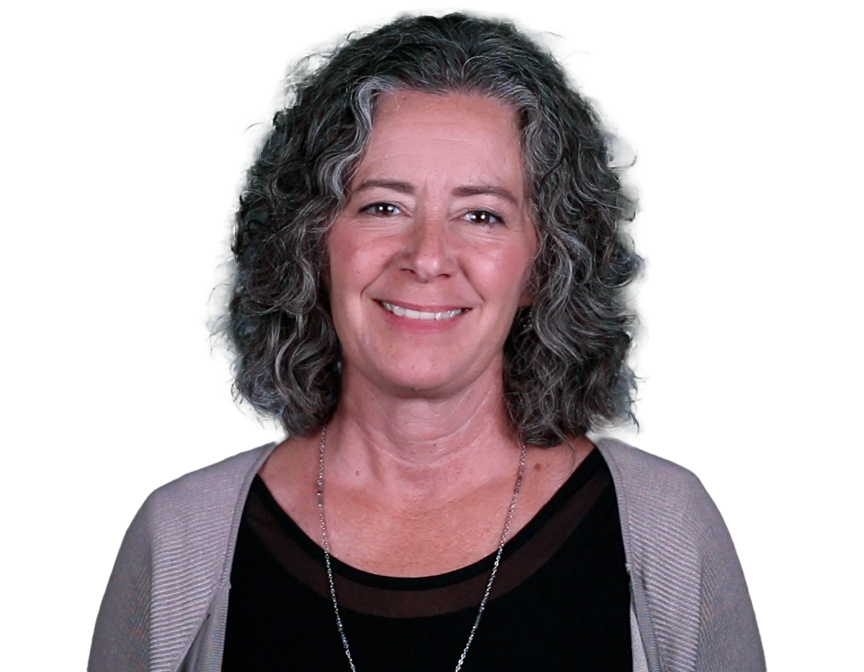
Learn More About Mary Beth
Mary Beth’s approach to therapy is grounded in lived experience, not just theory. Her insights—shaped by real-world challenges like building a career, marriage, and parenting—help clients create meaningful, lasting change.